
Tattoos and Reentry: How to Manage Visible Tattoos for Job Success
At Felon Friendly Jobs Now, we believe tattoos should never erase someone's future. But we also believe in being honest about how tattoos can impact job opportunities—and what options exist if someone chooses to remove, cover, or professionally manage them.
This guide is designed to help people navigating reentry understand how tattoos affect employment, what employers typically look for, and how to succeed regardless of your ink.
Your worth is not determined by your tattoos or your record. Reentry is about rebuilding—not erasing who you are.
.jpg)

Why This Conversation Matters
Tattoos are extremely common among people who have experienced incarceration. For many, tattoos represent identity, survival, family or cultural roots, or a past life they've outgrown. Unfortunately, many employers still associate visible tattoos with risk—especially tattoos that are
On the face, neck, or hands
Gang-related or prison-associated
Violent, hateful, or explicit
Profanity-based or aggressive imagery
This bias can exist even at companies that are otherwise felon-friendly. That doesn't mean opportunity is lost—but it does mean preparation matters.
How Tattoos Can Affect Employment After Incarceration
First Impressions Still Matter
Hiring managers often make quick judgments during interviews, background reviews, and customer-facing role evaluations. Visible tattoos can trigger assumptions before someone even speaks.
Industry Standards Vary
Some industries are significantly more accepting than others. Knowing where tattoos are less of a barrier can save you time and frustration.
More Tattoo-Friendly | More Restrictive |
|---|---|
Warehousing & logistics | Banking & finance |
Manufacturing | Healthcare (patient-facing) |
Construction & skilled trades | Corporate office roles |
Landscaping | Hospitality management |
Food service (back-of-house) | Sales & client-facing roles |
Transportation & delivery | Legal & professional services |
Creative and tech roles |
Tattoo Discrimination: Know the Legal Reality
It's important to understand the difference between illegal discrimination (race, religion, disability, etc.) and legal appearance standards.
In most states, employers can legally set tattoo visibility rules—even if you have a criminal record. Tattoos are usually not a protected class.
This is why strategy matters more than anger. Focus on what you can control.
Your Options for Managing Tattoos During Reentry
Everyone's journey is different. There is no "one right choice." Below are realistic options people use during reentry.
Option 1: Tattoo Coverage (Short-Term Solution)
For many people, covering tattoos is the fastest and most affordable option.
Common coverage methods:
-
Long-sleeve shirts
-
Collared uniforms
-
Gloves (where appropriate)
-
High-coverage makeup (like Dermablend or KVD Good Apple)
-
Skin-tone sleeves or compression wraps
This option works well for interviews, temporary roles, or jobs with strict appearance policies.
Option 2: Professional Tattoo Modification
Not all tattoos need full removal. Some people choose to:
-
Alter wording or symbols
-
Lighten aggressive imagery
-
Transform gang-related designs into neutral artwork (cover-up tattoos)
This can reduce stigma while preserving personal meaning.
Option 3: Tattoo Removal
For some, tattoo removal represents a fresh start. Removal is not required for reentry success—but it can help in certain situations.
Common reasons people pursue removal:
-
Facial or neck tattoos limiting job access
-
Gang-associated tattoos causing safety concerns
-
Court or probation-related recommendations
-
Personal healing and identity change
Understanding Tattoo Removal: What to Expect
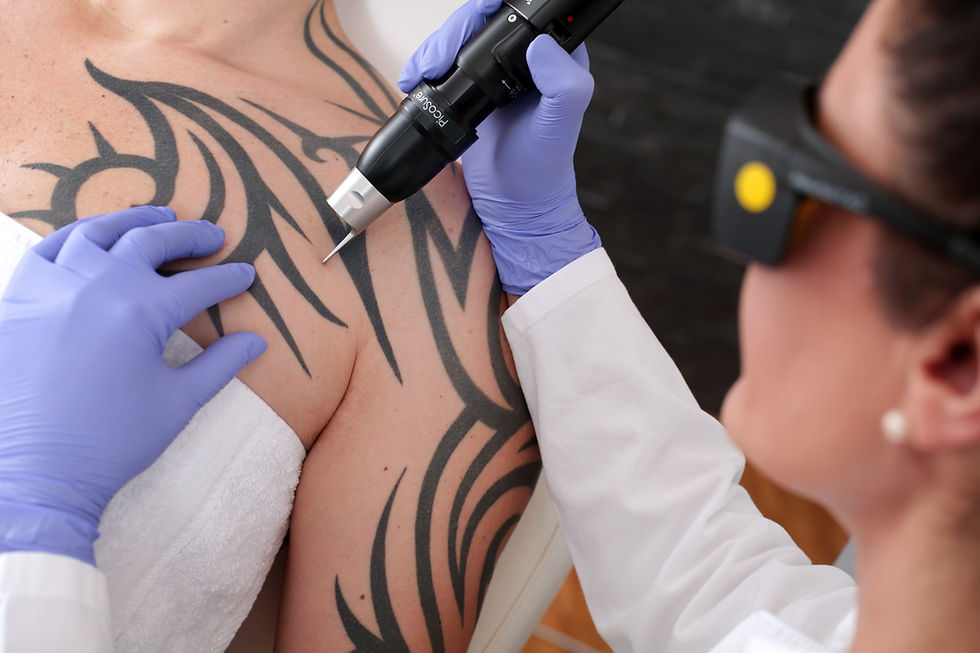
How Laser Tattoo Removal Works
01
Uses targeted laser pulses to break ink particles
02
Body gradually absorbs and clears the broken-down ink
03
Requires multiple sessions (typically 6–12+)
04
Sessions are spaced 6–8 weeks apart for healing
01
Ink color and density (black is easiest; green/blue are hardest)
02
Tattoo age (older tattoos often remove easier)
03
Skin tone
04
Tattoo location on body
05
Overall health and immune system
Factors That Affect Removal Success

Cost Considerations
Removal can range from hundreds to thousands of dollars depending on tattoo size and number of sessions. Some clinics offer payment plans. However, free and reduced-cost programs do exist—see below.
Is Tattoo Removal Safe?
When performed by trained professionals, laser removal is generally considered safe. Temporary side effects can include redness, swelling, blistering, or skin color changes. Always use a licensed provider.

Free and Low-Cost Tattoo Removal Programs
Many people don’t realize help exists. Across the U.S., there are programs specifically designed for people in reentry:
-
Workforce development programs offering removal as part of job readiness
-
Nonprofits partnering with laser clinics (like Removery’s INK-initiative)
-
Reentry organizations providing vouchers
-
Community health programs tied to employment readiness
-
“Clean Slate” programs in many cities
Felon Friendly Jobs Now maintains a Tattoo Removal Resource Directory to help you find reentry-friendly options and programs near you.
How to Talk About Tattoos in Job Interviews
If tattoos come up during an interview, preparation is key. Here's how to handle it professionally:
1. Acknowledge and Reframe
Don't be evasive. Briefly acknowledge that the tattoo reflects an earlier chapter of your life.
2. Focus on Growth
Immediately redirect the conversation to your current stability, reliability, and professional goals.
3. Respect Company Policy
Express willingness to adhere to dress codes, including wearing long sleeves or coverage if required.
4. Keep It Brief
Avoid oversharing or becoming defensive. The focus should remain on your skills and what you bring to the role.
Example Response:
"That tattoo reflects an earlier chapter of my life. I'm focused on stability, growth, and long-term employment now. I'm happy to follow any dress code requirements you have."
Confidence and professionalism matter more than perfection.
Tattoos, Confidence, and Mental Health During Reentry
Tattoos can carry emotional weight. Some people feel shame, fear of judgment, anxiety during interviews, or pressure to erase their past.
It’s important to say this clearly:
Your worth is not determined by your tattoos or your record. Whether you keep your tattoos, modify them, cover them, or remove them—the goal is opportunity, safety, and stability.
Reentry is about rebuilding, not erasing who you are.
How Felon Friendly Jobs Now Can Help
Our platform exists to reduce barriers—not create new ones. Through Felon Friendly Jobs Now, you can:
-
Find employers open to second-chance hiring
-
Learn which industries are more tattoo-friendly
-
Prepare for interviews and workplace expectations
-
Access reentry education and employment tools
-
Discover resources for tattoo removal and workforce readiness
Tattoos do not define your future—your actions do.